
The average person today produces 11 times more carbon emissions than someone in 1961. What can we do? Reducing your carbon footprint starts with the choices you make every day. Green Citizen reports. (Image: Creative Commons)

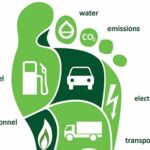
The average person today produces 11 times more carbon emissions than someone in 1961. What can we do? Reducing your carbon footprint starts with the choices you make every day. Green Citizen reports. (Image: Creative Commons)

The year 2023 still holds the record as the hottest year ever, but 2025 was close. The last three years together have been the hottest on record. Experts say the earth is barreling toward the climate brink. Scientific American reports. (Image: Creative Commons)
With the end of 2025 just weeks away, leaders are acknowledging that the benchmark reductions in the Paris Climate accord will not be met. The big task ahead will be to set new goals and make a strategy to meet them. Time magazine reports. (Image: Creative Commons)

Humanity is entering a “new reality,” as scientists warn that the planet has now crossed the first of several critical Earth system tipping points. These shifts could cause widespread and lasting damage, Science Daily reports. (Photo: Creative Commons)

A study of nearly 1,500 river locations over the last four decades shows that the frequency, intensity and duration of heat waves is increasing, posing a threat to many species that are adapted to cooler temperatures. NBC News reports. (Photo: Creative Commons)

Even as climate change unleashes increasingly powerful damage to our planet, veteran climate activist Bill McKibben sees hope ahead in the advent of inexpensive solar energy. Yale Climate Connections talks with him. (Photo: Michael Coghlan, Creative Commons)

The U.S. Environmental Protection Agency recently backed away from a 2009 legal determination that underpinned the government’s work to stem climate change. It’s bad news, this opinion piece in Scientific American argues. (Photo: Creative Commons)
Floods, heat waves, tornadoes, hurricanes and wildfires are becoming both more frequent and more deadly, but public attitudes aren’t changing fast enough. This could delay a response and worsen the crisis. NBC News reports.

A UN report warns that severe droughts are becoming more frequent, upending agriculture, causing famine and devastating wildlife habitat. Climate change may force governments to adapt to a “new normal” of very dry conditions. The BBC reports. (Photo: Pexels.com)
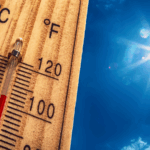
June’s heat dome over much of the United States was only one example of how climate change is worsening heat waves worldwide, with temperatures regularly breaking records and endangering life. A chilling report on heat from CNN. (Photo: Creative Commons)



