
Consequences of climate change are already “far-reaching and worsening” throughout the United States, posing profound risks, a draft federal report concludes. The New York Times reports. (Photo: Takver, Creative Commons)

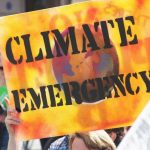
Consequences of climate change are already “far-reaching and worsening” throughout the United States, posing profound risks, a draft federal report concludes. The New York Times reports. (Photo: Takver, Creative Commons)
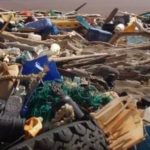
Plastics, which do not biodegrade, are a scourge on the oceans. Currents have concentrated millions of tons of waste into giant “garbage patches.” Scientists are working to restore our oceans, the BBC reports. (Photo: NOAA)

The boom in online retailing has led to a boom in trucking and warehousing that is harming the environment and health, especially in poorer communities. The Sierra Club reports. (Photo: Tima Miroshnichenko, Pexels)
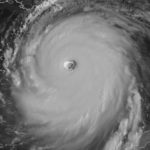
Our warming planet is changing the intensity, frequency and behavior of hurricanes, as evidenced by Hurricane Ian. Experts predict things will only get worse unless we get climate change under control. NPR reports. (Photo: NASA)

This summer Europe joined the American West and many other parts of the world in suffering from a catastrophic sustained drought. Climate change is to blame for record heat and lack of rain. The Los Angeles Times reports.

Today, just 13 crops provide 80 percent of our food, but those plants may not thrive in a hotter climate. Science News reports on six food sources that may provide alternatives in the future. (Photo: Cottonbro, via Pexels)
With the Inflation Reduction Act signed into law, the United States took the biggest step in decades to help stall climate change, but much more is needed. Rolling Stone magazine provides an in-depth analysis. (Photo: Takver, Creative Commons)

In a culture where it seems everybody speeds, Jen Rose Smith is an outlier. But there are moral, financial and public health reasons for doing so, she explains in this essay for the Sierra Club. (Photo: Lilartsy, Pexels)

The US drought continues. Last month was the 12th driest in the 128-year history of records, and the 15th warmest. Check out the report from the National Oceanic and Atmospheric Administration. (Photo: nccmrm97, Creative Commons)

For many of us, air conditioning is a downright necessity — and a costly one that uses energy and contributes to climate change. But with some simple steps you can reduce your energy use. The Refrigeration School



