By the Rev. Micah Krey
Revised Common Lectionary Reflection for the Eighth Sunday after Pentecost, Proper 11, Year A
July 19, 2026
Key Verse: “But if we hope for what we do not see, we wait for it with patience.” — Romans 8:25
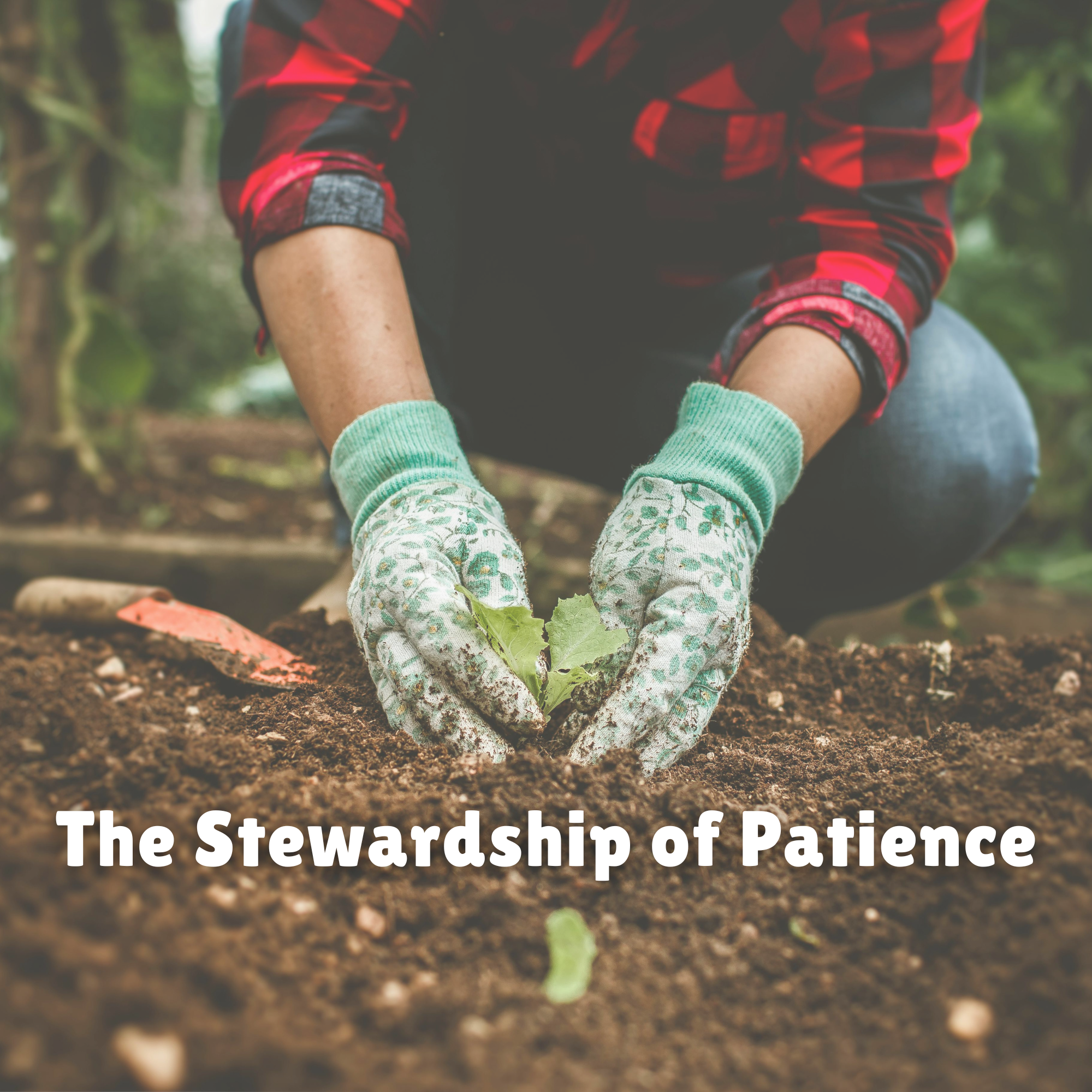
Stewardship often emphasizes action. We are called to give generously, serve faithfully, and care for God’s creation. Yet, these readings remind us that faithful stewardship also requires something much harder: patience. Sometimes the most faithful thing we can do is continue tending what God has entrusted to us while resisting the temptation to force results.
Jesus’ parable of the wheat and the weeds challenges our desire to fix everything immediately. When weeds appear among the wheat, the servants are eager to pull them out. Their instincts make sense. Remove the problem before it spreads. But the landowner sees a larger picture. Pulling the weeds too soon may damage the wheat. So he tells them to wait until the harvest.
This is not permission to ignore evil or injustice. Rather, it is a reminder that faithful stewardship is not the same as anxious control. God’s kingdom often grows in ways that are slower, quieter, and more mysterious than we expect. The servants want immediate certainty. The landowner invites patient trust.
Paul explores that same tension in Romans 8. Creation groans. Humanity groans. Even those who have received the first fruits of the Spirit continue waiting for the fullness of redemption. Hope, Paul reminds us, is not hope if we already possess what we are waiting for. “If we hope for what we do not see, we wait for it with patience.”
This patience is not passive resignation. It is active faithfulness. Farmers continue tending fields long before harvest arrives. Parents continue raising children without knowing exactly who they will become. Congregations continue worshipping, serving, and giving without always seeing immediate results. Stewardship often means investing in work whose fruit we may never fully witness.
Isaiah grounds this confidence in God’s faithfulness. “I am the first and I am the last; besides me there is no god.” Our hope does not rest in our ability to produce outcomes or solve every problem. It rests in the One who holds history itself. Because God remains faithful, we are free to be faithful as well.
Many congregations know the temptation to measure ministry only by immediate success. Attendance fluctuates. Budgets tighten. Volunteers grow weary. Cultural changes raise difficult questions about the future of the church. Individuals experience similar pressures in their own lives, wondering whether their prayers, generosity, or daily acts of love truly make a difference.
These readings invite a different posture. Stewardship is not simply producing results. It is faithfully tending God’s field, trusting that growth belongs to God. We are called to plant, water, nurture, and serve. God remains responsible for the harvest.
As preachers, we have an opportunity to remind our congregations that faithful stewardship is measured not only by visible success but by enduring trust. Every act of generosity, every prayer offered, every child taught, every neighbor loved, and every injustice resisted becomes a seed planted in hope. The harvest may not come on our timetable, but God’s promises remain sure. Our calling is not to control the harvest, but to faithfully steward the field that has been entrusted to our care.
In Worship
Worship can embody the theme of faithful patience by creating space to acknowledge both the longing and the hope that characterize the Christian life. Hymns such as My Hope Is Built on Nothing Less, Great Is Thy Faithfulness, Lord of All Hopefulness, or Come, Thou Fount of Every Blessing remind the congregation that God’s faithfulness sustains our own. Psalm 86 can shape the prayers of the day, especially its petition: “Teach me your way…give me an undivided heart.”
Rather than rushing toward quick answers, invite worshippers into a brief time of silence after the sermon, allowing them to consider where God may be calling them to patient faithfulness. During the prayers, invite people to reflect on areas of ministry or life where they are waiting for growth or healing. End by reminding the congregation that stewardship is not measured only by immediate results but by faithfully tending the gifts and callings God has entrusted to us, trusting that God continues to bring growth in ways both seen and unseen.
Worship with Youth
Young people know what it feels like to want immediate results. Whether it’s improving at a sport, learning an instrument, building friendships, or waiting to hear back from colleges or jobs, growth rarely happens overnight. Begin by asking: “What’s something you’ve had to practice for a long time before you saw improvement?” or “When have you wanted to quit because progress felt too slow?”
Connect those experiences to Jesus’ parable. Farmers cannot rush the harvest. They prepare the soil, plant the seed, care for the field, and trust that growth will come in time. Stewardship works much the same way. Our habits of prayer, generosity, kindness, and service often shape us gradually.
As an activity, give each student a packet of seeds and ask them to write on the envelope one faith practice they want to cultivate this season (perhaps prayer, gratitude, serving others, or encouraging friends). Invite them to plant the seeds at home as a reminder that both gardens and discipleship require consistent care, patience, and trust that God is at work beneath the surface.
Worship with Children
Bring a small packet of seeds and a flowering plant (or a picture of one). Ask the children, “If I plant these seeds today, will flowers grow tomorrow?” Let them answer before explaining that growing things take time. We water them, give them sunlight, and care for them, but we can’t make them grow faster.
Jesus told a story about a field where wheat was growing. The workers wanted to fix everything right away, but the farmer knew the plants needed time. Sometimes God works that way in our lives, too. We learn to pray, to share, to forgive, and to help others one day at a time. Those little acts may seem small, but God helps them grow.
Give each child a paper seed to decorate. Invite them to write or draw one way they can help someone this week. Collect the seeds around a plant or bowl of soil near the altar as a reminder that every small act of love is something God can grow into a blessing.
Previously published reflections for Proper 11, Year A:
2023 – Who are you? Thinking about our identity
2020 – Oh, what a weedy, wonderful world!
2017 – Duke’s Mixture discipleship
2014 – In Process