Some 90 percent of American homes have clothes dryers that use an enormous amount of energy. A clothesline can save money – and save tons of greenhouse gases from going into the air. Green Living Tips explains. (Photo: Omar Ramadan, Pexels)

61 Seminary Ridge, Gettysburg, PA 17325 (717) 334-6286
editor@stewardshipoflife.org


Some 90 percent of American homes have clothes dryers that use an enormous amount of energy. A clothesline can save money – and save tons of greenhouse gases from going into the air. Green Living Tips explains. (Photo: Omar Ramadan, Pexels)


Noted evangelical climate scientist Katherine Hayhoe says the recent report from the UN climate change panel is clear about what is going wrong with our climate, but it also shows a path forward. She is interviewed by Religion News Service


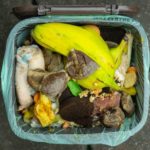
What could be more natural than composting food waste? It turns scraps into nutrients for other plants. Talk about your cycle of life! Helpmecompost.com tells you how to get going. (Photo: Oregon State University, Creative Commons)


An astounding 30 to 40 percent of the US food supply gets wasted. What a shame in a world where so many people are hungry. The US Food and Drug Administration suggests these tips to help us read our national goal of halving it by 2030. (Photo: Gareth Willey, Pexels.com)


Humans have three years to halt the growth of CO2 emissions, which then must fall rapidly to avert the worst effects of climate change. That was the finding of the latest IPCC report, which also suggests solutions. The BBC reports. (Photo: garryknight, Creative Commons)


Share this breezy, fun — and incredibly thoughtful — graphic compilation with your church leaders to draft a strategy of simple steps to help in the climate crisis. A creative work of Sarah Lazarovic in YES! Magazine. (Photo: Kandyjaxx, Creative Commons)


From cleaners to paints to batteries, your house has lots of materials that are hazardous or harmful to health. But with just a little effort you can both minimize hazardous materials in your home and safely handle what you have. From the EPA. (Photo: Romana Klee, Creative Commons)


The dangers of climate change are mounting so rapidly that they could soon overwhelm the ability of both nature and humanity to adapt, creating a harrowing future in which the planet is irreversibly damaged, a major new study has concluded. The New York Times reports. (Photo: Roberto Rizzato, Creative Commons)


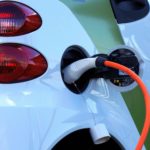
Plug-in vehicles are becoming more widely accepted as an alternative to fossil fuel-powered cars and trucks. That’s good news, because they are better for the environment even after calculating the energy costs of producing them and generating electricity to charge them. The New York Times reports.


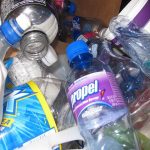
The world’s oceans have long been a dumping ground for trash, but slowly swirling currents are creating enormous ‘garbage patches’ that threaten marine life and navigation. The National Oceanic and Atmospheric Administration reports on the its causes and solutions. (Photo: NOAA)